
1. Product Overview
2. Key Properties
| Category | Details |
|---|---|
| Physical Properties | – Appearance: Colorless gas at room temperature and pressure; liquid under high pressure
– Odor: Faint, sweet aroma – Boiling Point: -88.5 °C (-127.3 °F) – Melting Point: -90.8 °C (-131.4 °F) – Solubility: Slightly soluble in water, highly soluble in fats and alcohols |
| Chemical Properties | – Chemically stable under normal food processing conditions, non-toxic in food-grade concentrations
– Does not react with most food ingredients (e.g., dairy, sugars, fats) – Decomposes only at high temperatures (>565 °C) into nitrogen and oxygen |
| Safety Characteristics | – Non-flammable and non-explosive within the range of food application concentrations
– Has mild anesthetic and euphoric effects only when inhaled in high, non-food doses (abuse of industrial-grade nitrous oxide poses health risks, while food-grade products are safe for intended use) |
3. Food Industry Applications
3.1 Whipped Cream Aeration (Primary Application)
- Rapid aeration (no need for manual whipping)
- Long shelf life of the whipped product (maintains texture for 2–3 days under refrigeration)
- Consistent product quality across batches
3.2 Molecular Gastronomy
- Foams and Mousses: Aerates liquid ingredients (e.g., fruit purees, vegetable soups, chocolate mixtures) into light, airy foams or mousses without affecting the original flavor
- Infusions: Facilitates rapid infusion of flavors (e.g., infusing alcohol into fruits or dairy products) by increasing gas solubility and molecular movement in the liquid matrix
3.3 Beverage Carbonation (Secondary Use)
4. Quality Standards & Certification
- EU Standards: Complies with Regulation (EC) No 1333/2008 on food additives, with purity ≥99.95% and limits on impurities (e.g., carbon monoxide ≤5 ppm, nitrogen dioxide ≤2 ppm, moisture ≤10 ppm)
- US FDA Standards: Listed in the FDA’s Generally Recognized as Safe (GRAS) database (21 CFR §184.1614), with purity requirements of ≥99.9% and strict controls on toxic contaminants
- ISO Standards: Meets ISO 8573-1 for gas purity in food applications, ensuring no harmful residues or pollutants
- China National Standards: Complies with GB 29202-2012 National Food Safety Standard for Food Additive Nitrous Oxide, with purity ≥99.9% and heavy metal content (e.g., lead, arsenic) ≤1 ppm
5. Handling & Storage Requirements
5.1 Handling Precautions
- Use only dedicated food-grade equipment (cream dispensers, chargers) to avoid cross-contamination with industrial-grade N₂O or other chemicals
- Do not inhale the gas directly from chargers or dispensers; misuse can cause oxygen deprivation, dizziness, or long-term neurological damage
- Ensure adequate ventilation in the workspace to prevent gas accumulation (though food-grade N₂O is non-toxic, high concentrations can displace oxygen in enclosed areas)
5.2 Storage Conditions
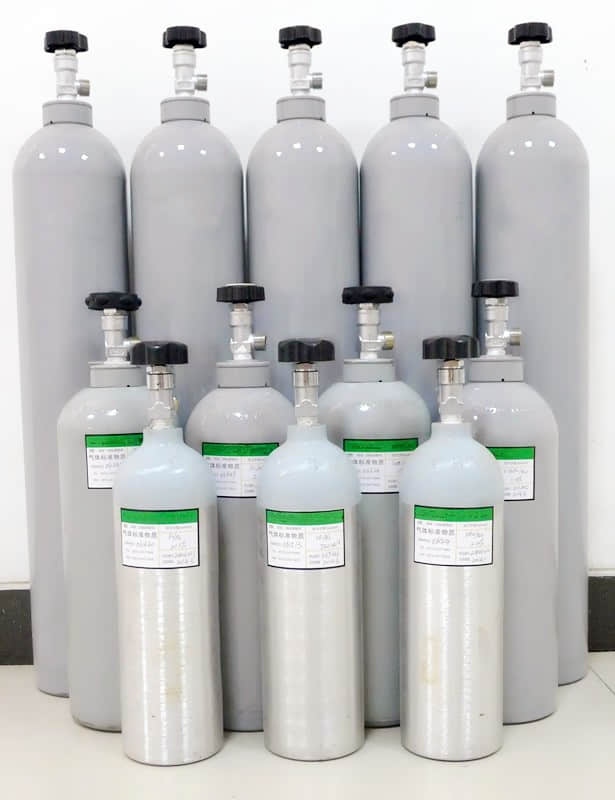
- Store cylinders in a cool, dry, well-ventilated area, away from direct sunlight, heat sources (e.g., stoves, heaters), and flammable materials
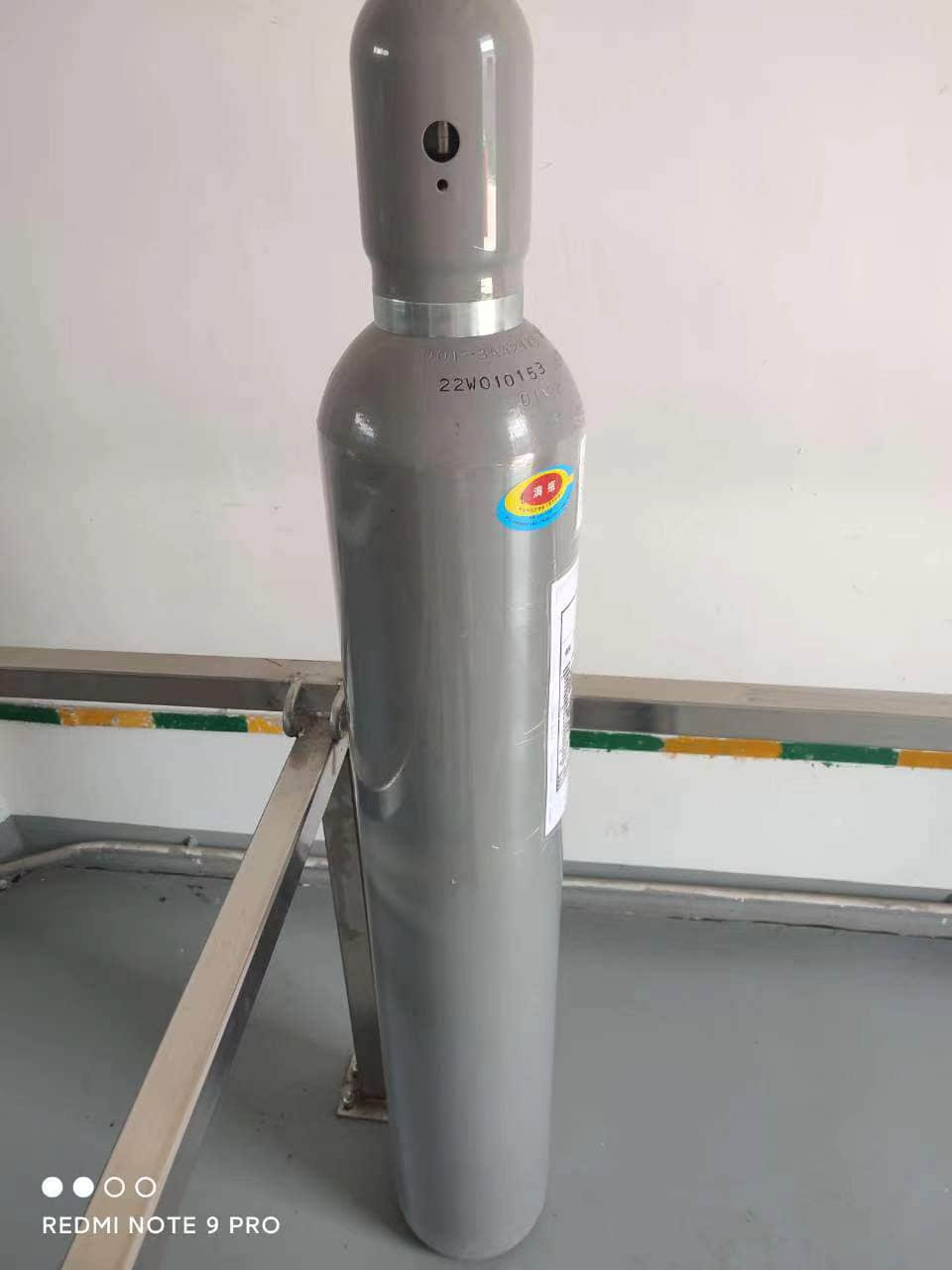
- Keep cylinders upright and secured with a bracket to prevent tipping or falling (rupture of the cylinder valve can cause high-pressure gas release)
- Store separately from industrial-grade gases and chemicals; label containers clearly with “Food-Grade Nitrous Oxide” to avoid misidentification
- Shelf life: 2 years from the date of production (when stored in unopened, intact cylinders)
6. Regulatory Compliance & Labeling
6.1 Labeling Requirements
- Product name: “Food-Grade Nitrous Oxide (E942)”
- Purity level and compliance with relevant standards (e.g., FDA GRAS, EU Regulation 1333/2008)
- Batch number, production date, and expiration date
- Warning statements: “For food use only – not for inhalation; keep out of reach of children”
- Manufacturer’s name, address, and contact information
6.2 Import/Export Regulations
- For cross-border trade, the product must be accompanied by a certificate of analysis (CoA) confirming compliance with the destination country’s food safety standards
- In the EU, products must carry the CE mark and meet REACH (Registration, Evaluation, Authorization and Restriction of Chemicals) requirements for food additives
- In the US, imports must be registered with the FDA and meet the requirements of the Federal Food, Drug, and Cosmetic Act (FD&C Act)
7. Environmental Impact
- The gas is released into the atmosphere after use, but the volume from food and beverage operations is negligible compared to industrial emissions
- While N₂O is a greenhouse gas (with a global warming potential 298 times that of CO₂ over a 100-year period), food-grade usage accounts for less than 0.1% of global N₂O emissions, making it a minor contributor to climate change when used properly
8. Common Misconceptions & Safety Notes
- Myth: Food-grade nitrous oxide is the same as industrial-grade nitrous oxide.
Fact: Industrial-grade N₂O may contain impurities (e.g., sulfur dioxide, hydrocarbons) that are toxic if ingested, while food-grade products undergo rigorous purification to meet food safety standards.
- Myth: Whipped cream made with N₂O is unhealthy.
Fact: The gas dissipates completely from the whipped cream within minutes of dispensing, leaving no residue; the nutritional content of the cream remains unchanged.
- Safety Risk: Recreational inhalation of food-grade N₂O (e.g., from chargers) can lead to oxygen deficiency, brain damage, or even death in severe cases, and is illegal in many regions.